8 Rue Seveste, 75018 Paris
Hotel Luxia
Hotel 2-star in Paris
Presentation
The Luxia Hotel in Montmartre: a distinctive address at the foot of the Sacré-Cœur
The Luxia hotel opens its doors at the foot of the Montmartre hill, on a quiet street in the 18th arrondissement, just a few minutes’ walk from the Sacré-Cœur. It is the seventh address of the Touriste group, a Parisian hotel collection that has built its reputation on human-scale establishments, attentive to their surroundings and to the experience they offer those who choose them.
Luxia’s geographical location is worth pausing over. Between the colorful bustle of the Marché Saint-Pierre and the quieter little streets that wind up the hill, the hotel sits at the crossroads of two faces of Montmartre: the one everyone knows, and the one you discover by taking the time to get lost. This dual access to the neighborhood, at once lively and discreet, is one of the subtle but real strengths of the address. It should nonetheless be kept in mind that the proximity of the Sacré-Cœur means a sustained tourist flow in the surrounding streets, particularly in high season: those seeking absolute silence in the immediate vicinity of the hotel will need to take this into account when planning their stay.
Forty-four rooms, no more. This deliberately limited size says a great deal about what one can expect from the place: an intimate atmosphere, attention to detail, and that rare feeling of not disappearing into the anonymity of a large establishment. Here, the aim is not to count guests but to welcome them.
Room design: cork, sycamore and 1990s modernist aesthetics
The architectural project was entrusted to Necchi Architecture, with whom the Touriste group had already collaborated on the reinterpretation of the Hôtel Château d’Eau. To this is added the intervention of SAVVY Studio, an agency founded by Mexican designer Rafael Prieto, whose work has already shaped notable addresses in New York and Mexico City. Together, they form a creative dialogue between two complementary worlds, the result of which can be seen in every detail of the hotel.
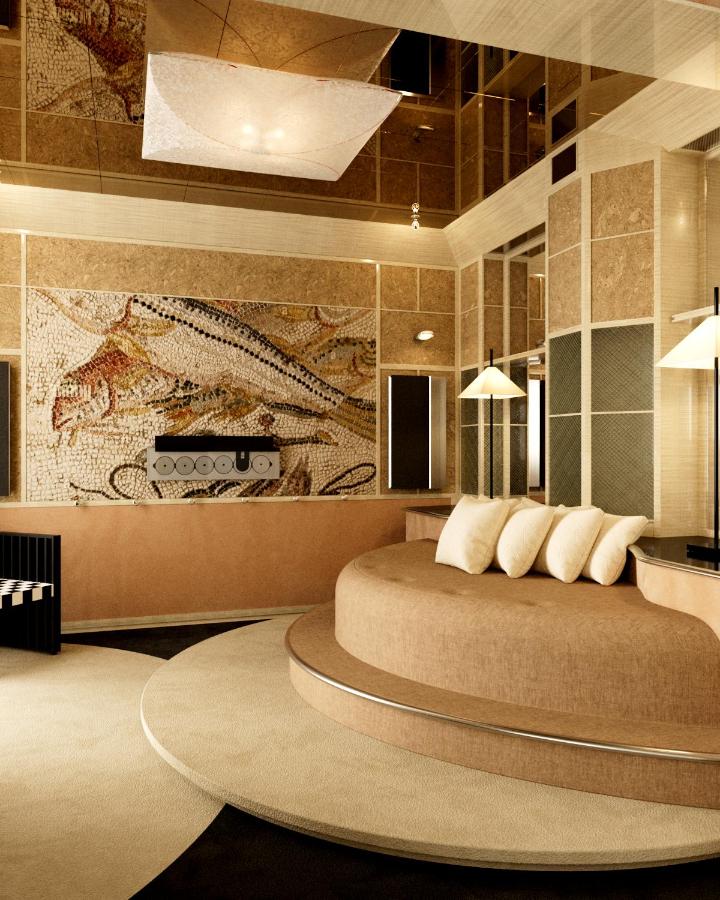
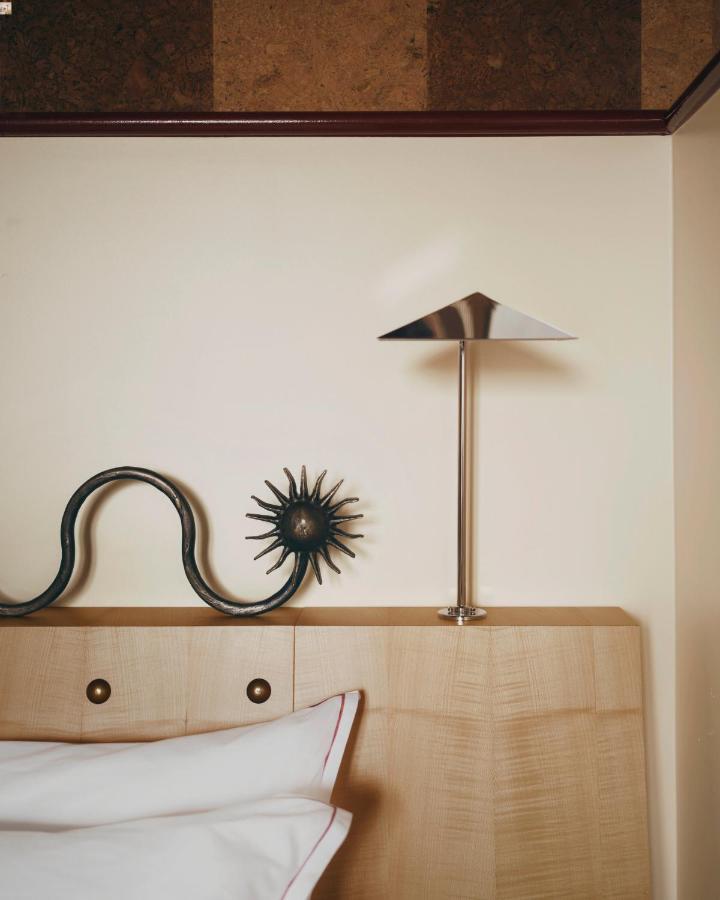
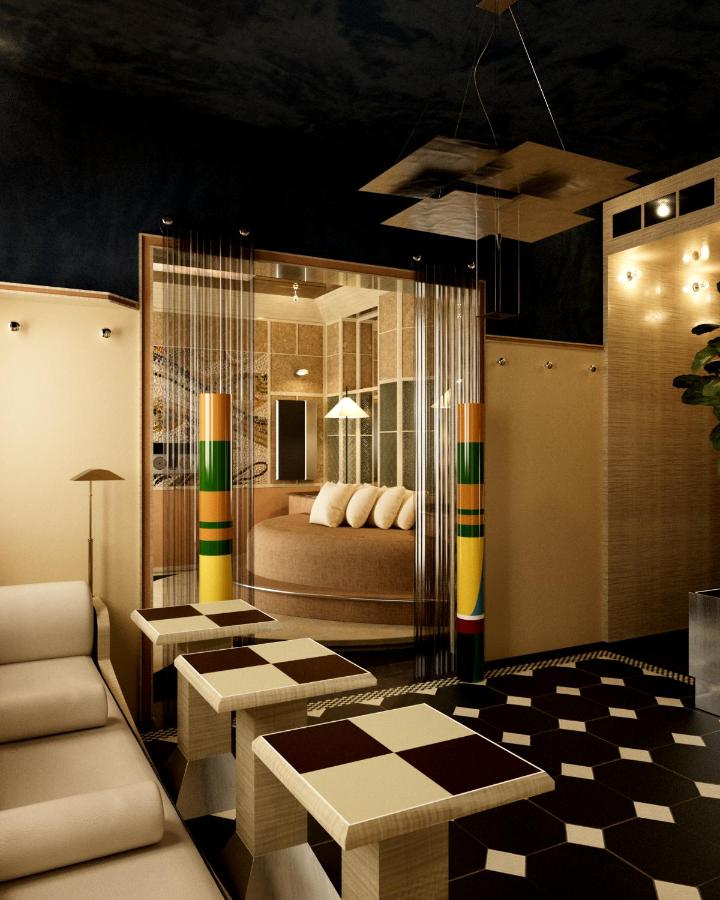
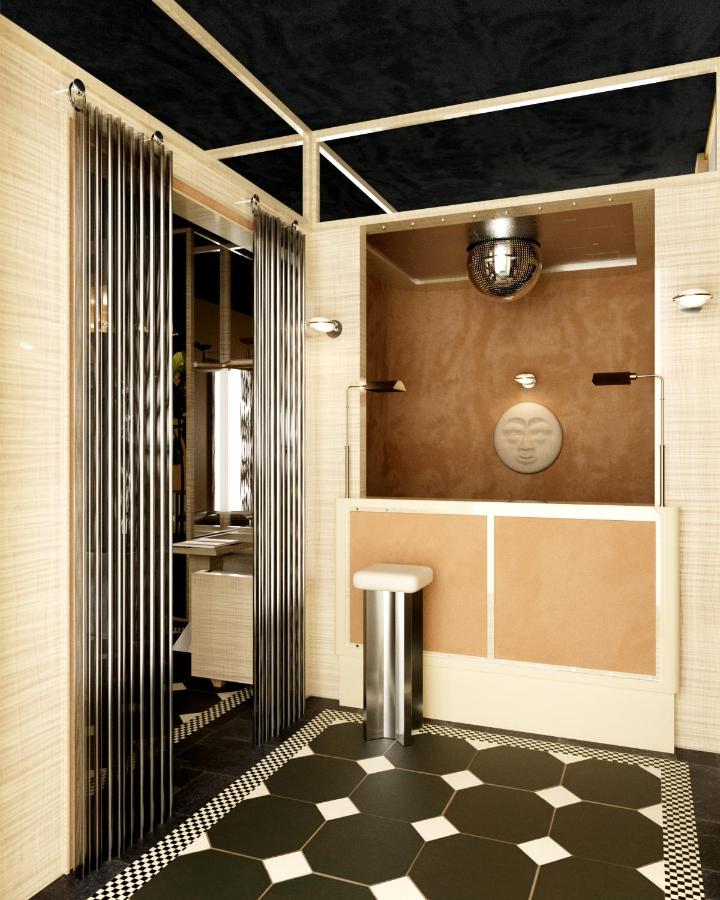
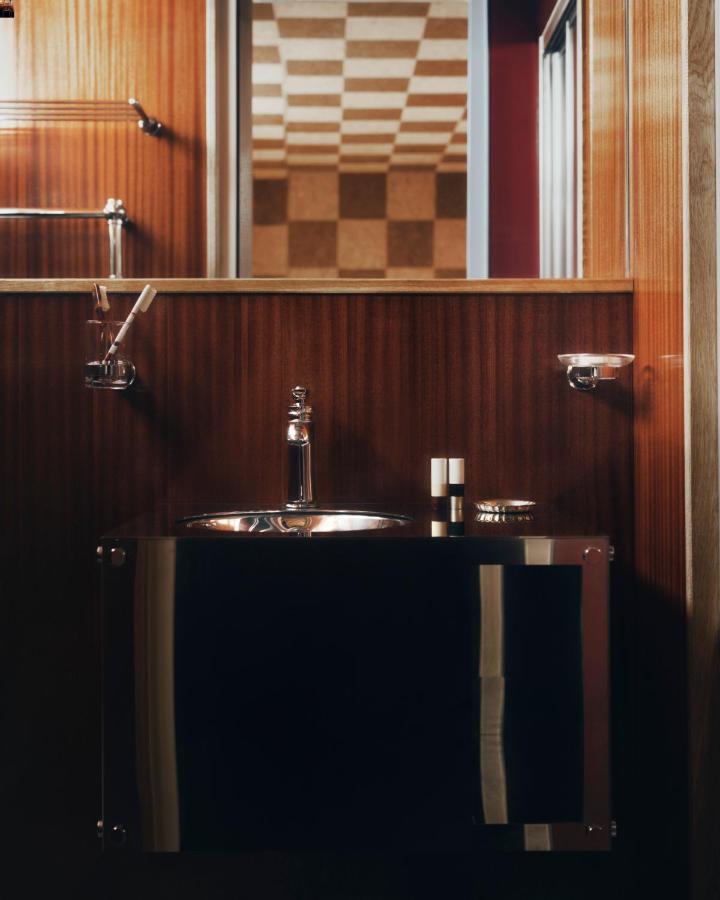
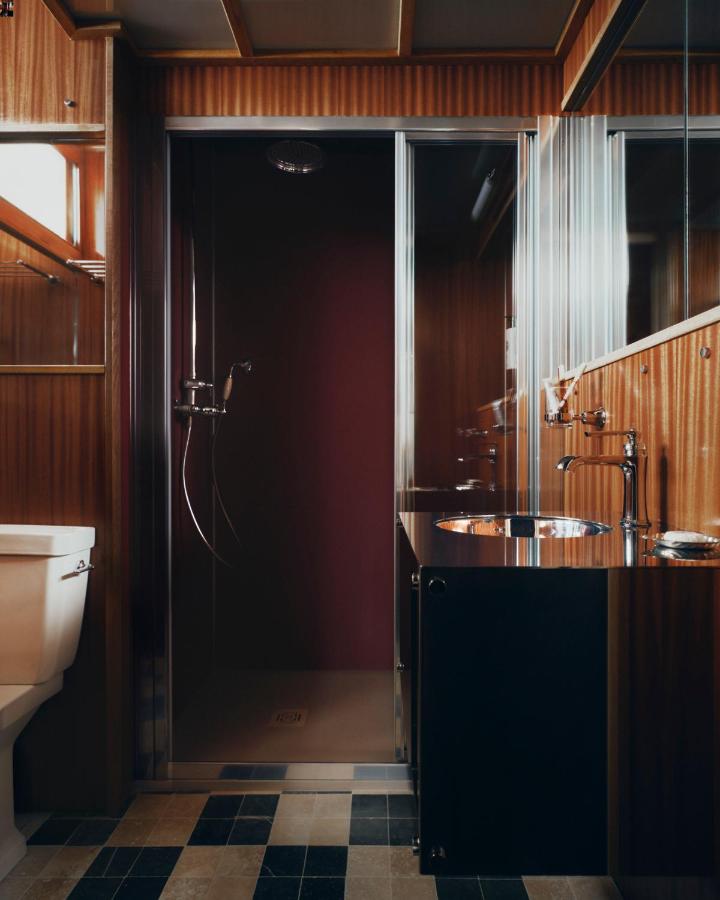
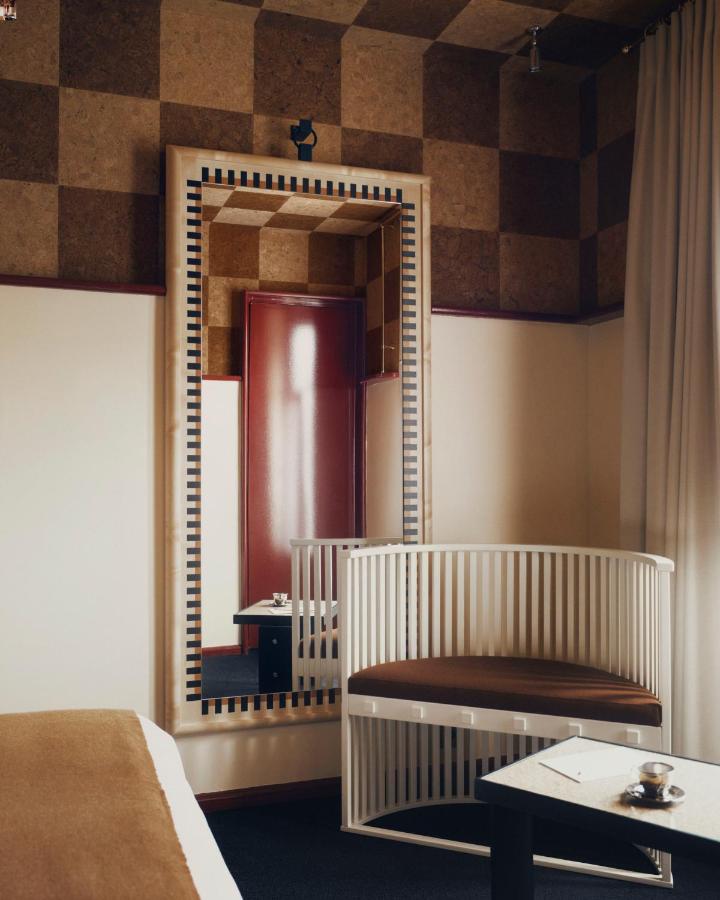
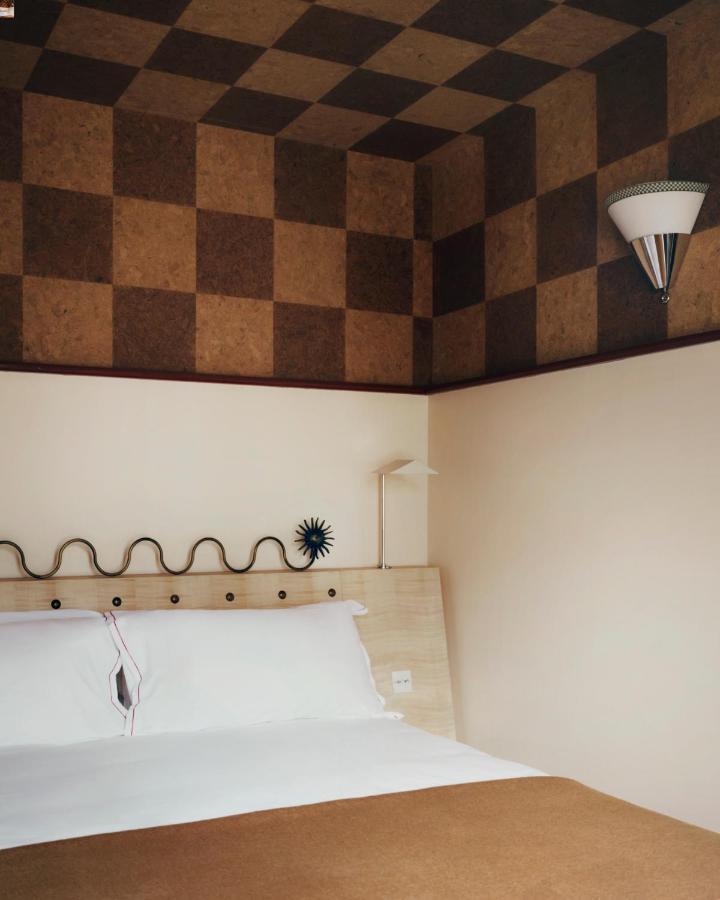
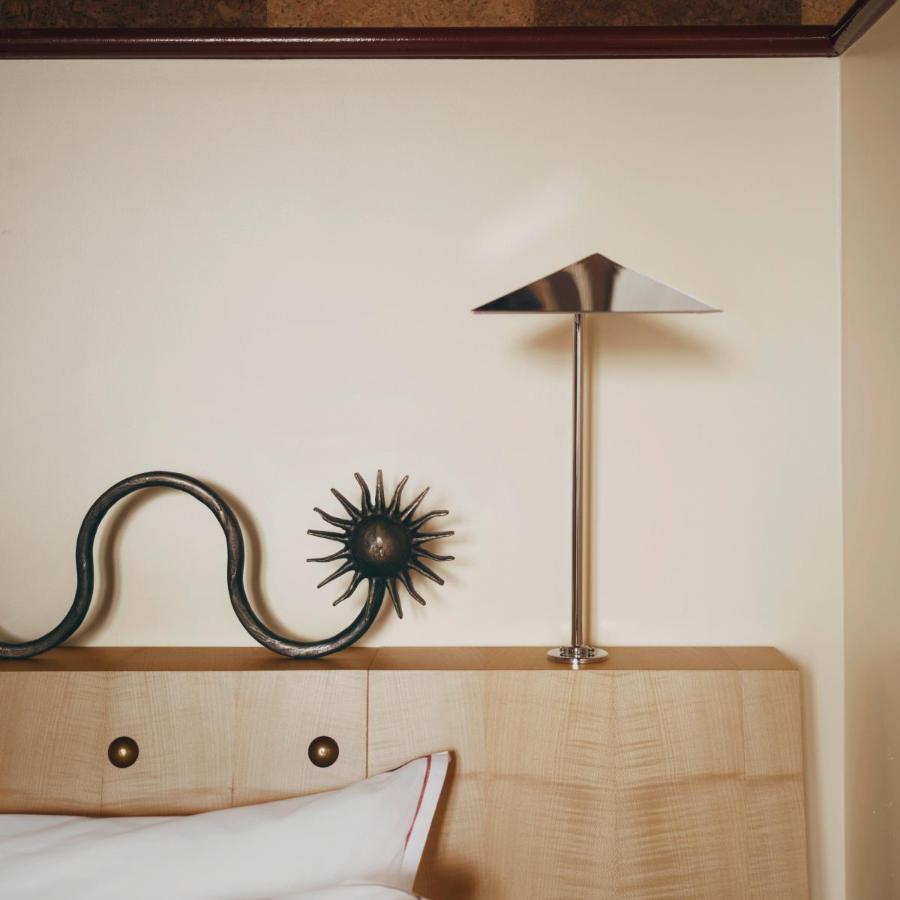
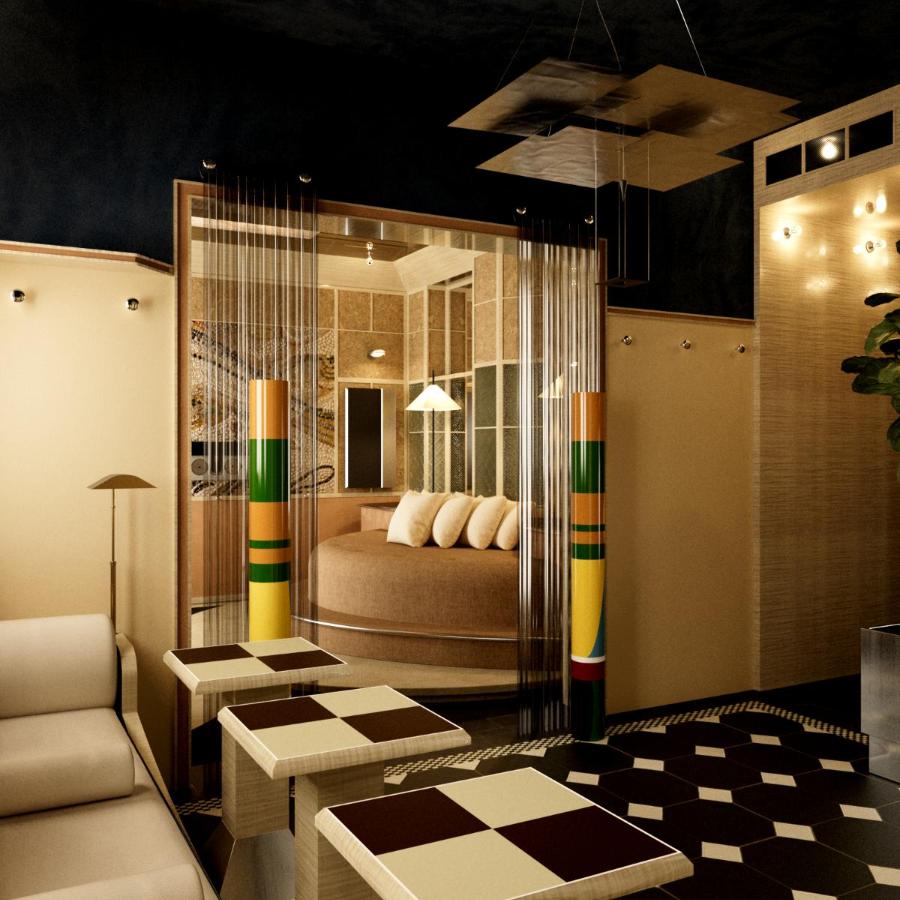
The Luxia’s formal inspiration draws on the modernist interiors of the 1990s, their way of combining minimalism and sensuality, apparent sobriety and underlying sophistication. This is not a nostalgic re-creation but a contemporary reinterpretation, borrowing from that era its sense of restraint and its ability to create warmth with little. The material palette is intentionally limited, which strengthens the coherence of the spaces rather than impoverishing them: pale sycamore, suede-like fabric and glossy lacquer structure the whole, each bringing its own texture and light.
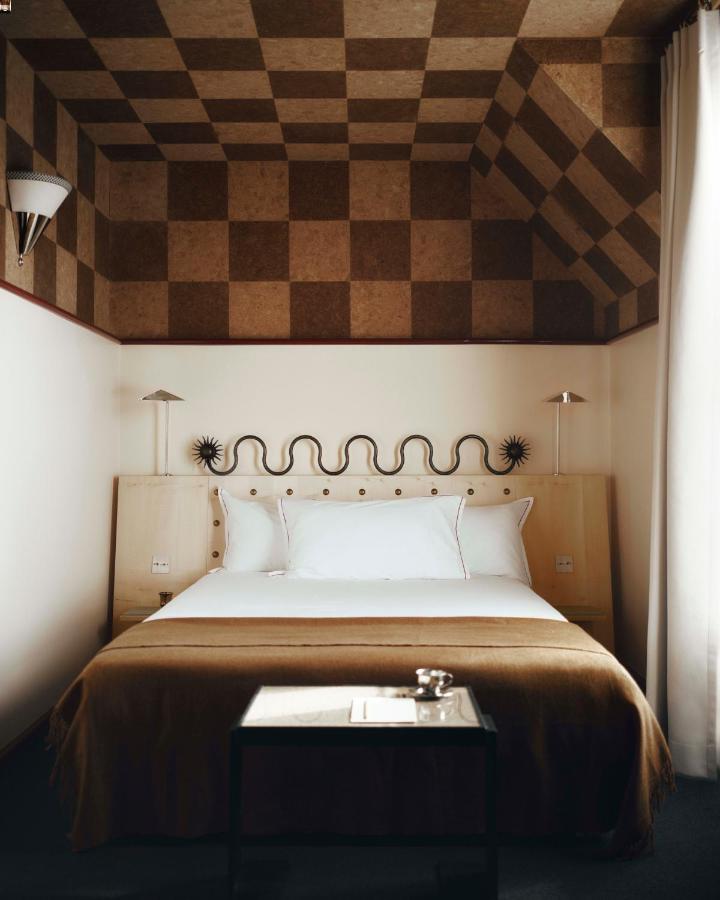
In the rooms, this logic of refuge takes a particularly tangible form. Cork is laid in a checkerboard pattern on the walls and ceilings, creating an envelope that is both graphic and acoustic, protective without being oppressive. The result is an immersive, softly lit space, designed as a haven in the heart of the city, inviting as much rest as quiet contemplation. With 44 rooms in total, the boutique format means the sizes remain within reasonable proportions: travelers who place particular importance on available space would do well to inquire about the room categories offered at the time of booking.
The furniture does not stand apart from the architecture: one and the other merge into integrated, continuous volumes, giving the spaces a unified shell that enhances the sense of refuge. The hotel has been conceived as a place from which to explore Paris, but also as a place where one chooses to stay. This duality lies at the heart of the proposition: the Luxia does not seek to keep its guests at all costs, but it offers enough comfort and atmosphere that they do not always want to leave.
The Luxia hotel spa: a nocturnal atmosphere inspired by Montmartre’s creative effervescence
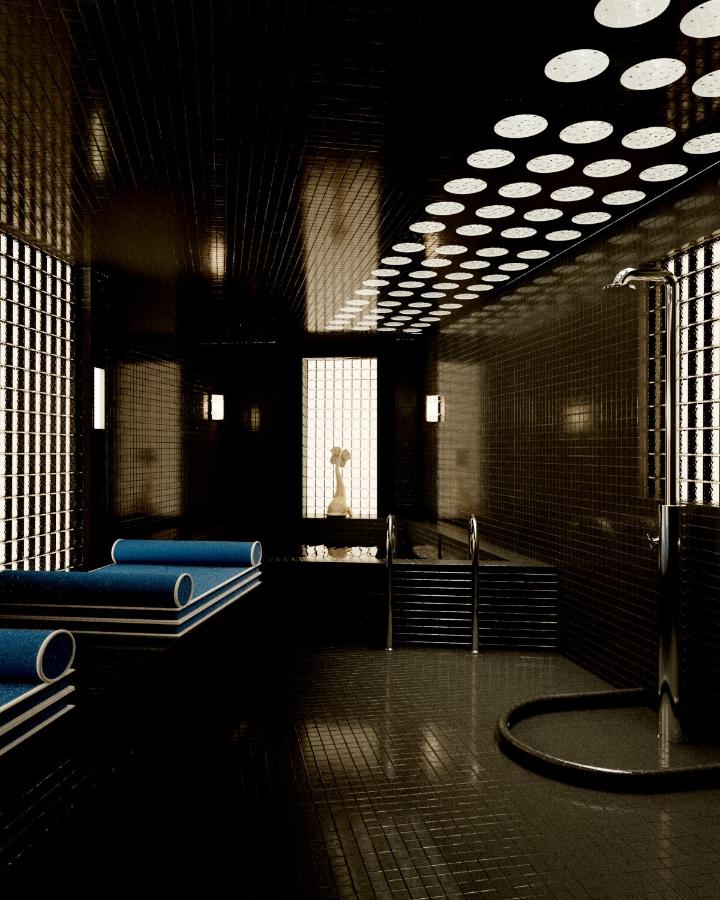
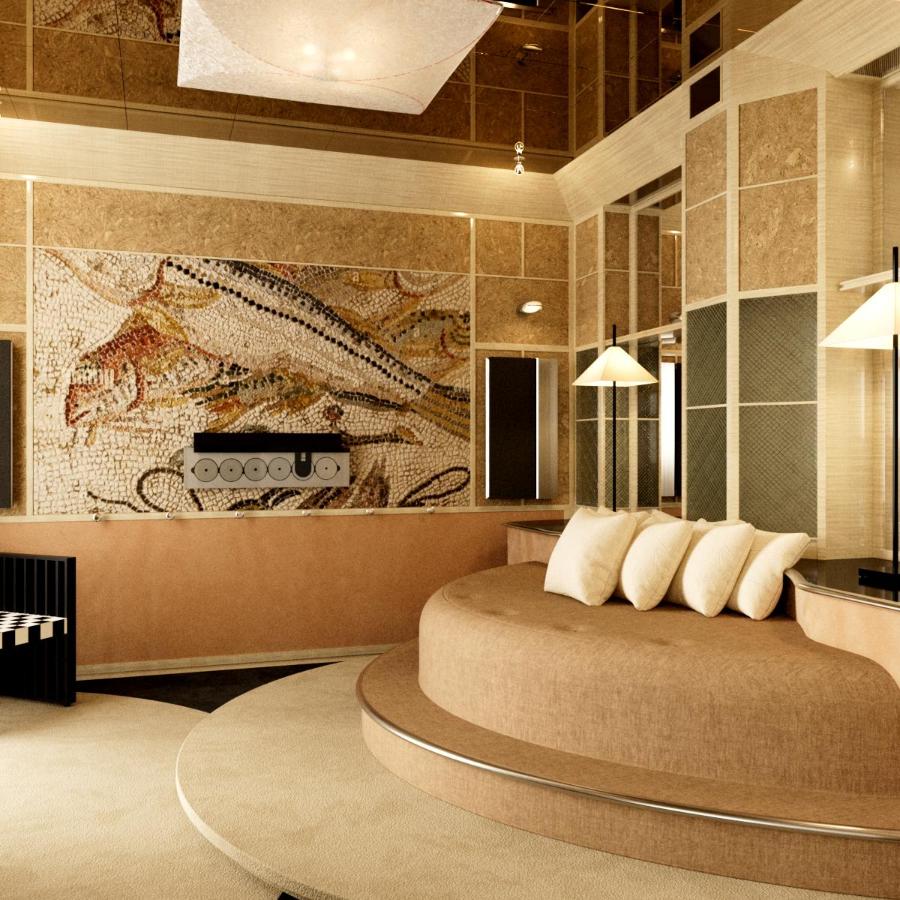
The hotel spa occupies a special place within the whole. Its atmosphere deliberately contrasts with the rest of the spaces: more nocturnal, more luminous, almost cinematic. It pays tribute to the creative energy that long defined Montmartre, that singular moment when celebration, art and experimentation coexisted without conflict. A space designed for another rhythm of stay, distinct from the muted calm of the rooms.
Montmartre on foot: museums, cobbled lanes and neighborhood life around the 18th arrondissement
To climb Montmartre without losing yourself in the neighborhood would be to miss the essential. The area’s cobbled lanes offer photographic wanderings in every season, and the textile shops around the Marché Saint-Pierre provide a glimpse into a lively local trade, far from the usual tourist circuits. From the hotel, it is entirely possible to fill two full days without ever needing the метро.
The forecourt of the Sacré-Cœur, reachable on foot in a few minutes, is one of those Parisian spots whose popularity does not exhaust their charm. In the evening, the view over Paris from the hill takes on a special dimension, and the basilica itself, open to visitors, is worth the visit both for its architecture and for the panorama it offers over the city. Arriving early in the morning, before the crowds settle in, allows one to appreciate the interior in relative silence and to enjoy the low-angled light over Paris from the gardens.
The Montmartre Museum, housed in one of the neighborhood’s oldest mansions, traces the artistic and bohemian history of the hill through a collection that combines paintings, posters and period objects. It is an ideal introduction to the neighborhood for those who want to understand why Picasso, Toulouse-Lautrec or Dalida chose this particular part of Paris to live and work in.
Cultural outings from the hotel: Centre Pompidou, Musée d’Orsay and 18th-arrondissement venues
A few metro stops away or within reach of a long walk, the Centre Pompidou and the Musée d’Orsay offer two different gateways to modern and contemporary art. Depending on the temporary exhibitions on view, one or the other may become an essential half-day visit. Montmartre itself counts several independent galleries, smaller in scale but often remarkable in their programming.
For music and live performance lovers, the 18th arrondissement and its surroundings offer a regular program, from concert venues to neighborhood theaters. The Élysée-Montmartre and other places on the hill continue a stage tradition dating back to the cabarets of the early last century, even if the formats have evolved considerably. Checking the current program in advance makes it easy to fit an evening of this kind into the stay.
Those wishing to explore Paris beyond the hill will find in the Marais, about twenty minutes away by transport, another district full of character, rich in museums, galleries and historic architecture. The Musée Picasso and the Musée Carnavalet, the latter dedicated to the history of Paris, offer permanent collections of great richness, accessible without booking far in advance for weekday visits.
The Luxia hotel in brief: why choose this boutique address in Paris
The Luxia stands out as a coherent address from start to finish, where aesthetic choices, intimate scale and location form a deliberately conceived whole rather than an assembled one. You come here for Montmartre as much as for the hotel, and that is precisely what the Touriste group seeks: establishments that speak of their neighborhood before speaking of themselves. This honesty in the proposition is, in the end, what makes the address compelling. The 44 rooms with carefully chosen materials, the thoughtfully designed common areas, the spa with its singular atmosphere and the immediate proximity to the Sacré-Cœur make for a Paris stay that goes off the beaten track without ever sacrificing comfort. If you are looking for a base that truly anchors you in Paris rather than merely skimming over it, the Luxia is well worth your attention.
A few activities and discoveries near this hotel
- The Montmartre funicular, whose lower station is a few minutes’ walk from the hotel, allows you to reach the Sacré-Cœur esplanade effortlessly. An alternative for those who want to save their legs before a long day of walking around Paris, accessible with a regular metro ticket.
- Place du Tertre, less than ten minutes on foot from the hill, gathers street painters and café terraces in a historic setting dating back to the 14th century. Arriving early in the morning, before the tourist groups settle in, lets you appreciate its character and chat with the artists in relative calm.
- The Montmartre vineyard, planted on Rue Saint-Vincent, is one of the last vineyards within Paris city limits. A self-guided visit from the street offers an unexpected pause in the middle of the 18th arrondissement, with an open view over the neighborhood from the path that runs alongside it.
- The Montmartre Cemetery, accessible on foot from the hotel, is one of the neighborhood’s most distinctive places. Dalida, Truffaut, Nijinsky and Heine are among those resting there in a wooded, quiet setting, ideal for a slow, unhurried stroll.
- The Anvers metro station, two minutes away on foot, provides access in less than five minutes to Gare du Nord, a connection point for Eurostar, Thalys and regional services. A practical advantage for those arriving or departing by international rail.
- The Palais Garnier, about 1.6 kilometers from the hotel, offers daytime visits of its interiors independently of performances. The decor, the rotunda and the auditorium itself are worth the trip even without an evening ticket, with visiting hours generally available from the morning.
Services
Other services
General
- Parking
- Wi-Fi available everywhere
Services
- Internet
- Wi-Fi
- Free Wi-Fi
Dining
- Vending machine (drinks)
Miscellaneous
- Family rooms
- Elevator
- Heating
From 178 EUR per night